
Cats are prone to the following diseases in winter, so you need to pay more attention:
1. Cold and respiratory tract infection
• Symptoms: sneezing, runny nose, coughing, increased eye secretions, and in severe cases, may be accompanied by fever.
• Etiology: It is often caused by calicivirus or herpesvirus infection, and a cold and dry environment can also weaken a cat's resistance.
• Preventive measures: Maintain a room temperature of 20~28 degrees Celsius and a humidity level of 50%~60%. Provide a warm cat bed, reduce the frequency of bathing and outdoor activities, and administer additional vaccinations when necessary.
II. Urinary system diseases
• Symptoms: Frequent visits to the litter box but with little urine output, blood in the urine, howling during urination, etc.
• Cause: Cats tend to drink less water during winter, making them prone to urinary stones, cystitis, and other conditions.
• Preventive measures: Encourage cats to drink plenty of water, provide wet food, avoid high-salt and high-oil foods, clean the litter box promptly, and heat the water dispenser or use other methods to keep the water warm.
III. Gastrointestinal diseases
• Symptoms: Vomiting, diarrhea, or constipation, etc.
• Etiology: Indigestion, overly cold food, or improper feeding.
• Preventive measures: Provide nutritionally balanced food, avoid feeding cold food, and can heat canned food and other foods properly in the microwave.
IV. Dermatosis
• Symptoms: Dandruff, eczema, etc.
• Cause: Indoor dryness and insufficient sunlight in winter weaken the skin resistance of cats.
• Preventive measures: Regularly bathe your cat and use a moisturizing lotion to keep the indoor humidity at a comfortable level.
In addition, cats may also contract diseases such as feline distemper and feline rhinotracheitis during winter. It is recommended that you vaccinate your cat on time and closely monitor its health status. If there are any abnormalities, seek medical attention promptly.
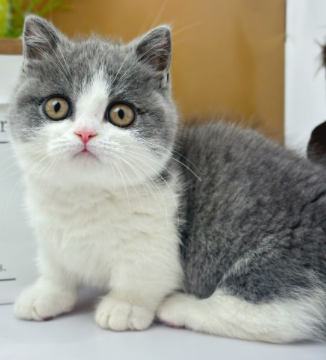
Diseases that cats are prone to in winter
Jan 09 2026


Recent Posts



Why do you choose Isenvo pet microchips?
March 16, 2026

Key precautions for dog care during the Spring Festival
March 07, 2026
Validate your login