

1. Diet safety: guard against "sweet trap"
• Human foods that are absolutely prohibited for feeding include:
o Chocolate, coffee, and tea (containing caffeine, which can cause arrhythmia).
o Grapes, raisins (can cause acute renal failure).
o Onion, garlic, and leek (can damage red blood cells, leading to anemia).
o Nuts (especially macadamia nuts) (causing vomiting, weakness, and ataxia).
o Xylitol (commonly found in sugar-free foods, which can cause hypoglycemia and even liver damage).
o Alcohol, high-salt and high-oil foods, and meat with bones (which are prone to getting stuck in the throat or scratching the digestive tract).
• Safe feeding principles:
o Keep the original dog food brand and feeding routine, and do not change the food arbitrarily.
o If a change of feed is required, a 7-day gradual method (mixing old and new feed) should be adopted.
o Reward or appease guests with dog-specific snacks (such as freeze-dried chicken cubes) to encourage interaction.
________________________________________
II. Environmental protection: Avoid stress and accidents
• Anti-lost:
o Make sure to lock the door/balcony, and wear a collar + identification tag (with clear contact information) when going out.
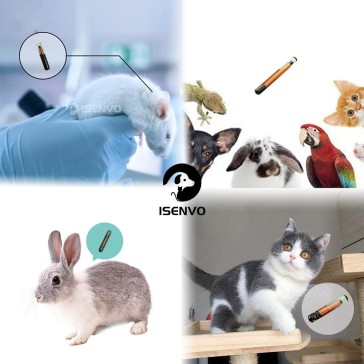
o It is recommended to implant a microchip, especially when returning to one's rural hometown, to prevent being chased by cars and accidentally ingesting rat poison.
• Noise stress prevention (firecrackers/fireworks):
o Seal the windows with soundproof cotton in advance, and play white noise (such as flowing water sounds or light music) to mask the loud noise.
o Prepare a closed dog kennel or cardboard box, and lay down a soft blanket + the owner's old clothes (to familiarize the dog with the scent and alleviate anxiety).
o Do not force interaction, avoid pulling tails or ears, and respect their need to hide.
• Trauma prevention:
o Dispose of the packaging materials for the New Year goods (plastic bags, ropes, sharp edges and corners of gift boxes).
o Organize the electrical wires to prevent electric shock from biting.
o Clear pesticides, fertilizers, and rat poison from the rural hometown, and remove fragile items (wine glasses, vases).
________________________________________
III. Travel and Health Management
• Preparation for returning home/travel:
o Self-driving priority: Fasting for 6 hours and water-fasting for 2 hours before departure, and use a pet seat belt to secure the rear seat.
o For high-speed trains/airplanes, it is necessary to confirm the policies one month in advance, and prepare the rabies vaccine certificate + quarantine certificate.
o Carry: original brand dog food, drinking water, dog leash, litter bag, probiotics, deworming medicine, old clothes.
• Pre-holiday health check-up:
o Complete rabies vaccination and ensure the validity of the immunization certificate.
o Conduct a basic physical examination, with a focus on screening for gastrointestinal, respiratory, and parasitic issues.
• Warming measures:
o For small/short-haired dogs (such as Chihuahuas), they can wear coral velvet coats when going out, and thickened mats should be provided indoors.
o Avoid over-wrapping (dogs' own fur has a heat-retaining effect).
________________________________________
IV. Behavior and Social Management
• Avoid long-term confinement: Take regular walks every day to release energy and prevent depression or destructive behavior.
• Control social intensity: When there are many guests, designate independent and quiet areas (such as bedrooms) and do not force interaction.
• Civilized dog walking: always use a leash (of moderate length) when going out, pick up after your dog, and avoid crowded areas, elderly people, children, and pregnant women.
________________________________________
V. Emergency Preparedness
• Essential emergency kit:
o Pet hospital phone number (including 24-hour emergency service at home/foster care location).
o Probiotics, iodophor, gauze, hemostatic powder, forceps, dog leash, portable water bowl.
• Emergency handling:
o Poisoning from eating toxic food: Contact a veterinarian immediately, do not induce vomiting yourself, and keep a sample of the food.
o Severe stress (lasting for more than 24 hours): seek medical attention promptly.
o Choking: Implement the Heimlich maneuver (with the dog standing, wrap your arms around its abdomen, and press upward towards the back of the sternum with your thumb).




Validate your login