
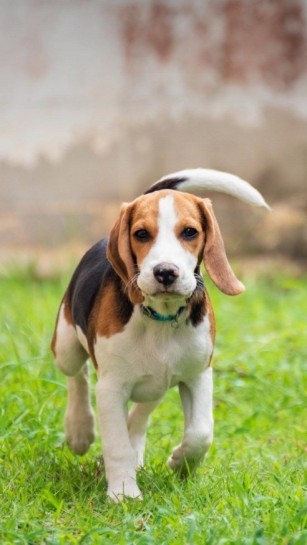
The temperature drops in autumn and winter, and there is a large temperature difference between day and night. The care of pet dogs needs to focus on warmth, diet, exercise, and health monitoring to help them smoothly navigate through the seasonal changes. Here are some practical maintenance suggestions.
Warmth and protection are the foundation of autumn and winter care, and should be tailored to the characteristics of different dogs.
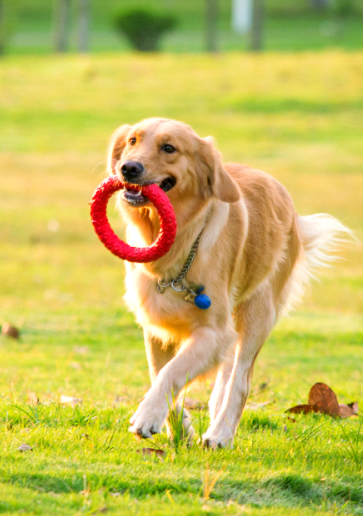
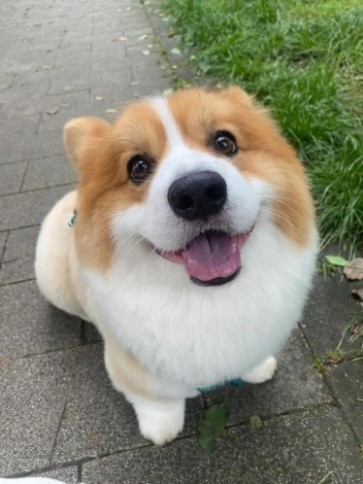
Puppies, old dogs, short haired dogs or dogs with joint problems (such as corgi and Golden Hair) are more sensitive to cold and easy to get cold. Key protection for the abdomen, feet, and joints: The hair on the abdomen is thin, and direct contact with cold ground may cause gastrointestinal discomfort. It is recommended to lay thick velvet pads or carpets in dog beds; The soles of the feet are prone to getting cold when walking dogs in the morning and evening. You can wear lightweight and non slip shoes and wipe them with warm water after returning home; Older dogs or large dogs may consider wearing waist protection vests as they are afraid of cold joints. At the same time, avoid letting the dog lie on cold surfaces such as tiles for a long time. After taking a shower, be sure to thoroughly dry the hair, especially on the abdomen and soles of the feet.
Dietary adjustments should focus on calorie balance and nutritional supplementation.
During winter, the activity level of dogs may decrease, but their basal metabolic rate increases. Therefore, it is necessary to increase energy intake appropriately, generally by 10% -20% more than in summer. Specific adjustments should be made according to the activity level: dogs with less activity can increase by 10%, while those with more exercise can increase by 20% -30% to avoid excessive obesity. Choose dog food that is nutritionally comprehensive and can include high-energy ingredients such as high-quality meat, but avoid spicy and greasy human meals, which can help maintain skin and hair health; Before feeding, warm the wet food back to room temperature to avoid irritation to the stomach and intestines caused by excessive cold.
Sports arrangements need to adapt to weather changes, with a focus on moderation.
Outdoor activities in autumn and winter should be scheduled during periods of high temperature, such as sunny days from 10am to 3pm, for 20-40 minutes each time, avoiding low temperatures in the morning and evening. Pay attention to keeping warm when walking dogs, short haired dogs can wear coats, and elderly dogs should reduce vigorous exercise. On rainy or cold days, you can use toys indoors to interact and consume energy. Wipe your body promptly after exercise to avoid bringing insect eggs or bacteria home.
Health monitoring should be diligent to prevent problems from occurring.
Check the dog's mental state, appetite, and bowel movements daily to ensure they are normal; Check the soles of the feet (for cracks), ears (for inflammation), and hair (for dandruff) every week; Elderly dogs need to pay extra attention to their joints, and seek medical attention promptly if stiffness or reluctance to move is detected. Autumn is the active period of parasites, and regular in vitro and in vivo deworming is necessary; Winter is dry, pay attention to replenishing water, provide warm water and use more water basins. Humidifiers can be used in northern regions.
Daily care details include combing hair and regular check ups.
During the autumn and winter hair changing season, comb the hair layer by layer every day (first use a comb to comb the floating hair, and then use a needle comb to comb the bottom layer of fluff) to reduce tangling and skin problems; Reduce the frequency of bathing to once every 2-3 weeks, use gentle shower gel and thoroughly blow dry. Regular physical examinations and vaccination can enhance immunity. If symptoms such as coughing, vomiting, or fever occur, seek medical attention promptly.

Validate your login